
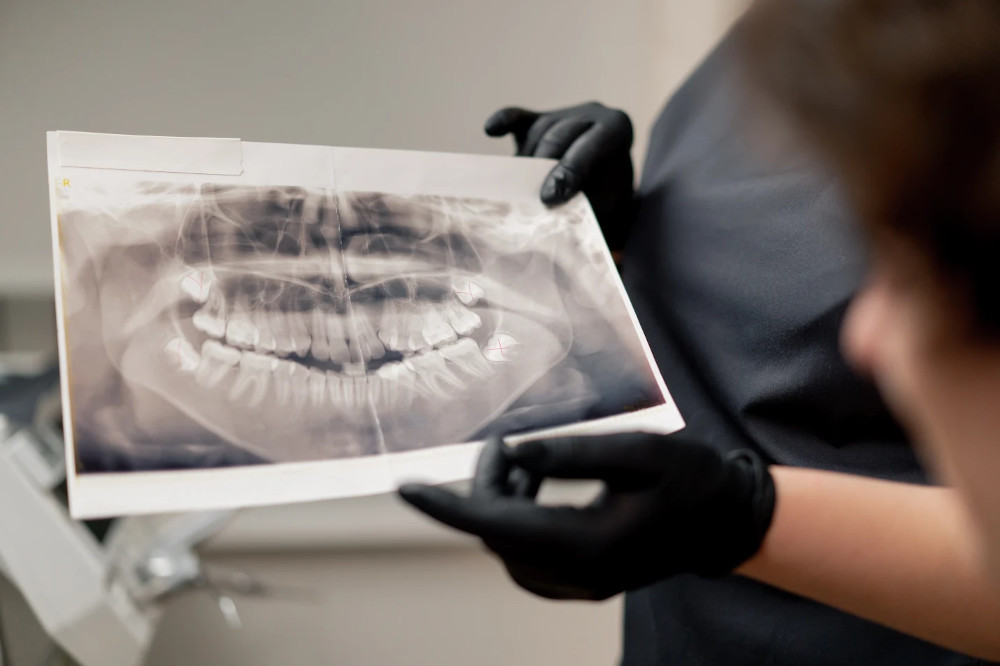
Dental X-rays are one of the most valuable tools in modern dentistry. While a clinical examination allows dentists to evaluate what is visible to the naked eye, many dental problems develop beneath the surface—hidden between teeth, under the gums, or within the bone. X-rays provide a deeper look, helping detect issues early, guide treatment planning, and prevent more serious complications.
Dental X-rays (radiographs) are images that capture the internal structures of your teeth, gums, and jawbone using low levels of radiation. They allow dentists to identify problems that cannot be seen during a routine visual exam.
There are several types of dental X-rays, including:
Each type serves a specific diagnostic purpose.
One of the most common uses of dental X-rays is identifying cavities (dental caries), especially in areas that are difficult to see.
Early detection allows for minimally invasive treatment, such as small fillings, rather than more extensive procedures like root canals or extractions.
Bone loss around the teeth is often associated with periodontal (gum) disease. This condition can progress silently, with few noticeable symptoms until significant damage has occurred.
Monitoring bone levels is crucial for diagnosing gum disease, assessing its severity, and determining the appropriate treatment, such as deep cleaning or surgical intervention.
Dental X-rays play a key role in identifying abnormal conditions, collectively referred to as oral pathology. These may include cysts, tumors, infections, or developmental abnormalities.
Early detection of pathology is critical, as some conditions can progress without obvious symptoms but may have serious health implications if left untreated.
Beyond diagnosis, X-rays are essential for planning a wide range of dental procedures, including:
They provide a roadmap that helps dentists perform procedures safely and effectively.
Dental X-rays use very low levels of radiation and are considered safe for most patients. Modern digital X-rays further reduce exposure while improving image quality. Protective measures, such as lead aprons and thyroid collars, are also used to minimize risk.
Dentists only recommend X-rays when necessary, based on your individual oral health needs, age, and risk factors.
Dental X-rays are a powerful diagnostic tool that allows dentists to see beyond what is visible during a routine exam. By detecting cavities early, monitoring bone health, and identifying hidden pathology, X-rays play a critical role in maintaining oral health and preventing more serious dental problems.
Regular dental visits, combined with appropriate use of X-rays, ensure that potential issues are caught early—leading to simpler, more effective treatments and better long-term outcomes.
For more information contact Dr Michael Handler through our website drmichaelhandler.ca.
Do you ever feel nervous about dentist appointments? Rest assured: we cater to nervous and anxious patients in a gentle and considerate manner. Call us now to schedule a free consultation!
OFFICE HOURS:
| Monday: | 10:00 AM - 8:00 PM |
| Tuesday: | 8:00 AM - 5:00 PM |
| Wednesday: | 9:00 AM - 3:00 PM |
| Thursday: | 8:00 AM - 5:00 PM |
| Friday: | 9:00 AM - 1:00 PM |
| Saturday: | 9:00 AM - 2:00 PM |
| (one Saturday per month) | |
| Sunday | CLOSED |