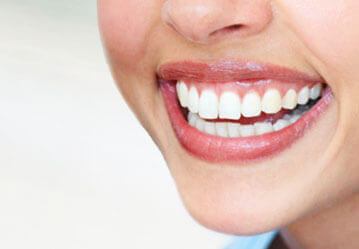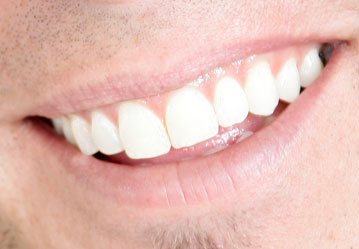

Have you noticed that your teeth look more yellow or darker than they did when you were younger? Changes in tooth colour are very common as we age. Even people who brush and floss regularly may notice that their smile gradually becomes less bright over the years.
Fortunately, darker or yellowing teeth don’t necessarily mean that something is wrong. Several natural changes occur inside and outside our teeth as we age. However, tooth discoloration can sometimes be a sign of an underlying dental problem.
There are several reasons our teeth can become darker over time.
The outer surface of the tooth is called enamel. It is extremely strong, but it can gradually wear down throughout our lifetime.
As enamel becomes thinner, the layer underneath it—called dentin—becomes more visible. Dentin is naturally yellowish in colour. As more dentin shows through the enamel, our teeth can appear more yellow or darker.
Dentin can become darker and more prominent over time. The combination of darker dentin and thinner enamel can significantly change the appearance of our teeth.
This is one reason why even people who have maintained excellent oral hygiene may notice their teeth becoming darker with age.
Our teeth are exposed to staining foods and drinks for decades. Common sources of tooth staining include:
Some stains are on the surface of the teeth and can be removed with professional cleaning. Other types of discoloration can become more deeply incorporated into the tooth and may require whitening or other cosmetic treatment.
Years of chewing, grinding and exposure to acidic foods and beverages can contribute to tooth wear.
As enamel wears away, more of the underlying dentin becomes visible. Teeth may also become shorter, flatter or develop small cracks and irregular edges. People who grind or clench their teeth may experience more significant wear.
Fillings, crowns, bonding and veneers can look different as they age. For example, an older filling may become stained or may no longer match the colour of the surrounding natural teeth.
It’s also important to understand that teeth whitening only whitens natural tooth structure. Crowns, veneers and fillings generally do not change colour with whitening treatment.
A gradual change in tooth colour is generally a normal part of aging. However, not every dark tooth is simply the result of getting older.
A single tooth that suddenly becomes grey, brown or significantly darker should be examined by a dentist. Trauma, decay or changes affecting the nerve inside the tooth can sometimes cause discoloration.
An examination can help determine whether the colour change is cosmetic or whether treatment is needed to address an underlying dental problem.
In many cases, yes. Professional teeth whitening can be an effective way to brighten natural teeth and reduce certain types of discoloration.
Before whitening, your dentist should examine your teeth and gums to determine whether whitening is appropriate. Cavities, gum disease, cracked teeth or other dental problems may need to be addressed first.
Depending on the cause and severity of the discoloration, treatment options may include:
The appropriate option depends on the condition of your teeth and the cause of the discoloration.
Although you can’t completely stop the natural changes that occur as you age, you can help maintain a healthier and brighter smile.
Darker or more yellow teeth are a common part of aging. Thinning enamel, changes in dentin, years of staining and tooth wear can all contribute to changes in the appearance of your smile.
However, you don’t have to simply accept a darker smile as you get older. If you’re unhappy with the colour of your teeth, your dentist can determine what’s causing the discoloration and discuss options for improving your smile while maintaining the health and structure of your teeth.
If you’re concerned about changes in the colour of your teeth, schedule an appointment with our dental team at Dr Michael Handler Dentistry. Visit our website at drmichaelhandler.ca. We’d be happy to examine your smile and discuss the options that are available.
Do you ever feel nervous about dentist appointments? Rest assured: we cater to nervous and anxious patients in a gentle and considerate manner. Call us now to schedule a free consultation!
OFFICE HOURS:
| Monday: | 10:00 AM - 8:00 PM |
| Tuesday: | 8:00 AM - 5:00 PM |
| Wednesday: | 9:00 AM - 3:00 PM |
| Thursday: | 8:00 AM - 5:00 PM |
| Friday: | 9:00 AM - 1:00 PM |
| Saturday: | 9:00 AM - 2:00 PM |
| (one Saturday per month) | |
| Sunday | CLOSED |