
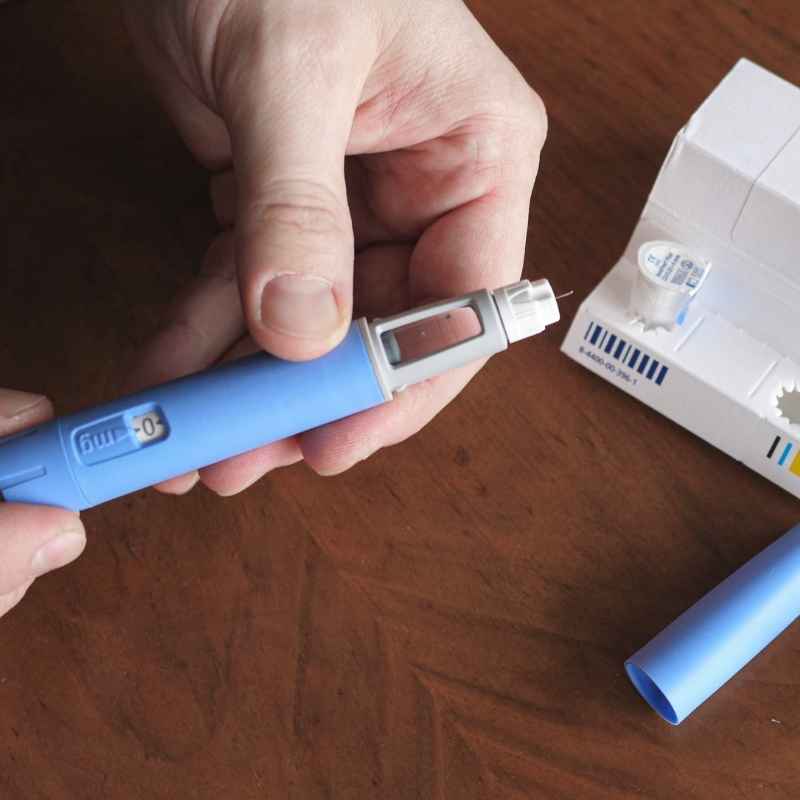
Ozempic® (semaglutide) is commonly used to manage type 2 diabetes and, in some cases, support weight management. It can provide important health benefits, but some people notice changes in their mouth while taking it.
You may have heard terms such as “Ozempic mouth,” “Ozempic teeth,” or “Ozempic breath.” These are not formal medical diagnoses. They are informal terms for oral symptoms that some people taking semaglutide have reported.
Research is still developing. Many oral concerns may be linked indirectly to changes in saliva, hydration, eating habits, acid exposure, nausea or vomiting rather than direct damage from the medication itself. (PubMed)
Some people taking semaglutide experience dry mouth, also called xerostomia. This means there is less saliva than usual.
Saliva helps protect your teeth and gums. It washes away food, neutralizes acids, keeps your mouth comfortable and helps protect tooth enamel.
Dry mouth may cause:
Some case reports have found reduced saliva flow in patients taking semaglutide. More research is needed to understand how common this is and whether the medication is the direct cause. (PubMed)
Practical takeaway: Tell your dentist if dry mouth lasts more than a short time. Your dental team can recommend products and habits to help protect your teeth.
Ozempic may reduce your appetite. Some people may also drink less, especially if they feel nauseated. Vomiting and other gastrointestinal symptoms can cause additional fluid loss.
Dehydration can reduce saliva production. This may make your mouth feel drier and allow plaque and bacteria to build up more easily.
Practical takeaway: Drink water regularly unless your healthcare provider has advised you to limit fluids.
Nausea and vomiting are known side effects of semaglutide. Frequent vomiting exposes your teeth to stomach acid.
Stomach acid can soften and gradually wear away tooth enamel. Over time, this may cause:
If you vomit, rinse your mouth with water. Do not brush immediately, because brushing softened enamel can cause additional wear. Wait before brushing, and ask your dentist for advice if vomiting happens often.
Practical takeaway: Contact your healthcare provider about frequent vomiting and tell your dentist about any sensitivity or enamel changes.
Some people taking GLP-1 medications notice changes in their breath. Bad breath may be related to dry mouth, dehydration, changes in eating habits, reflux or gastrointestinal symptoms.
It can also be caused by cavities, gum disease or an oral infection.
Practical takeaway: If bad breath continues despite good oral hygiene, schedule a dental examination.
Semaglutide and other GLP-1 medications have been associated with altered taste, including a metallic or unusual taste. (PubMed)
A persistent change in taste may affect your food choices and eating habits. It may also have another cause, such as dry mouth, reflux, gum disease or an infection.
Practical takeaway: Discuss ongoing taste changes with your healthcare provider and dentist.
There is not enough evidence to say that Ozempic directly causes cavities or gum disease.
Research into semaglutide and oral health is still developing. Much of the available evidence comes from case reports, safety reports and early research rather than large clinical studies. (PubMed)
However, symptoms that may occur during treatment can affect oral health. Dry mouth, dehydration, vomiting, reflux, changes in diet and reduced saliva may increase the risk of cavities, enamel erosion or gum irritation.
Researchers are also studying whether GLP-1 medications affect inflammation and the tissues around the teeth. The importance of these possible effects is not yet clear.
Good hydration supports saliva production and may help relieve dry-mouth symptoms.
Brush twice a day with fluoride toothpaste and a soft-bristled toothbrush.
Floss or use interdental brushes every day. Your dental professional can recommend the best option for you.
Tell your dentist if your mouth feels persistently dry. Your dental team may suggest saliva substitutes, moisturizing gels or other dry-mouth products.
If you have reflux or vomiting, limit additional exposure to acidic foods and beverages. Ask your dentist how to protect your enamel.
Reduced appetite can make it harder to get the nutrients your body needs. A balanced diet supports your overall health, teeth and gums.
Routine dental visits help your dental team identify cavities, enamel erosion and gum inflammation early.
Do not stop or change your medication without speaking with the healthcare professional who prescribed it.
Tell your healthcare provider and dentist if you develop:
Your dentist can help manage oral symptoms, while your healthcare provider can decide whether your medication or treatment plan needs to change.
Make sure your dentist has an up-to-date list of your medications, including Ozempic and any other GLP-1 medication.
At each dental visit, mention any symptoms that began after starting or changing your medication. This information can help your dental and medical teams work together.
Ozempic and other GLP-1 medications may affect oral health indirectly. Dry mouth, dehydration, nausea, vomiting, reflux and changes in eating habits may contribute to cavities, enamel erosion, bad breath or other symptoms.
The direct effects of these medications on teeth, gums and oral tissues are still being studied.
If you notice changes in your mouth while taking Ozempic, do not ignore them. Talk with your dentist and healthcare provider so potential problems can be identified and managed early.
Contact Dr Michael Handler for more information. Visit his website: drmichaelhandler.ca
Do you ever feel nervous about dentist appointments? Rest assured: we cater to nervous and anxious patients in a gentle and considerate manner. Call us now to schedule a free consultation!
OFFICE HOURS:
| Monday: | 10:00 AM - 8:00 PM |
| Tuesday: | 8:00 AM - 5:00 PM |
| Wednesday: | 9:00 AM - 3:00 PM |
| Thursday: | 8:00 AM - 5:00 PM |
| Friday: | 9:00 AM - 1:00 PM |
| Saturday: | 9:00 AM - 2:00 PM |
| (one Saturday per month) | |
| Sunday | CLOSED |